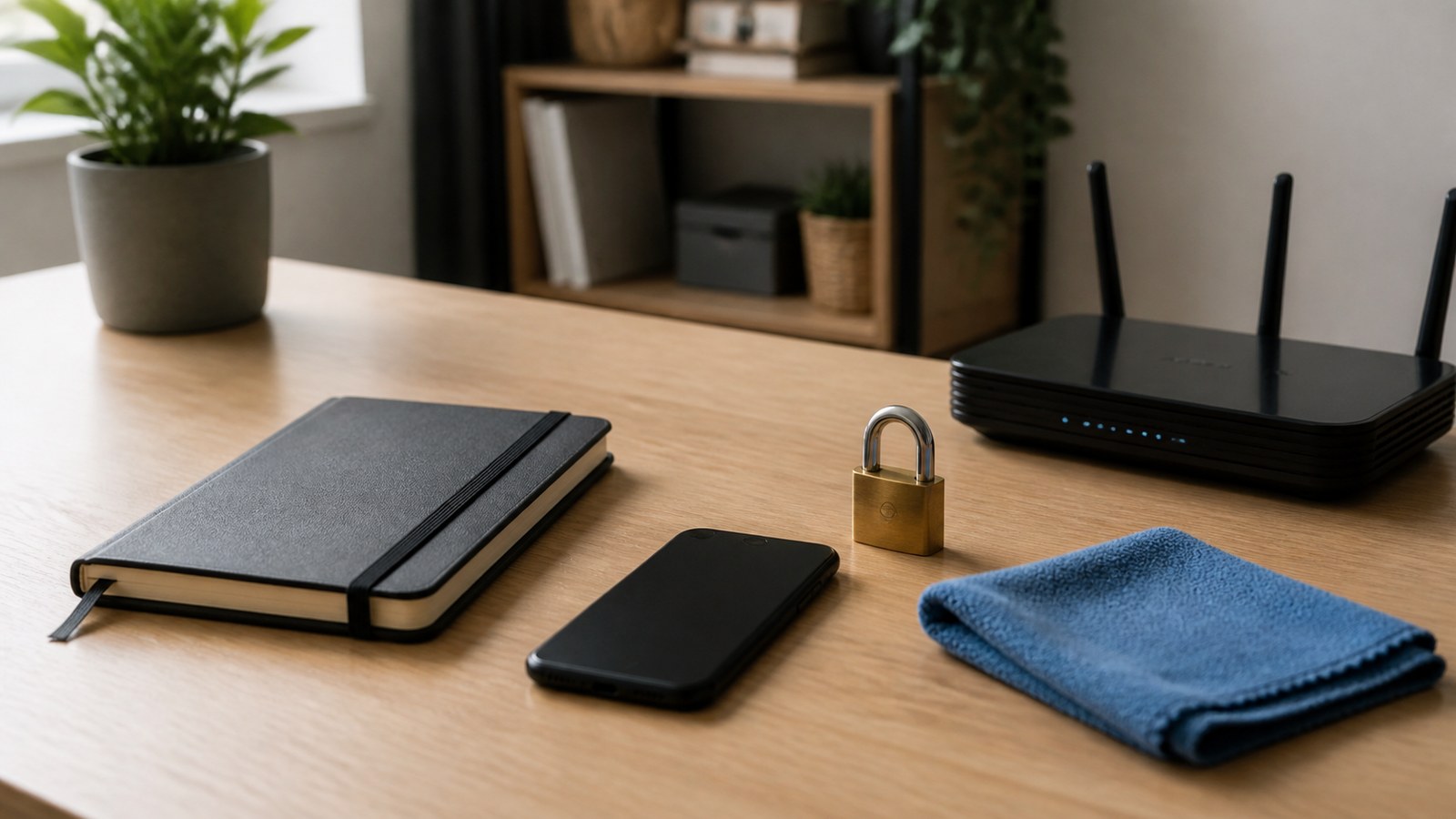
What Is Cyber Hygiene? A Beginner’s Guide to Better Online Safety
Cyber hygiene is the routine maintenance that keeps digital life safer. It includes strong passwords, multifactor authentication, software updates, backups, privacy settings, scam awareness, account recovery planning, and quick reporting. Like physical hygiene, it works best when small actions are repeated before problems appear.
A: Improvement looks like faster recognition, smaller impact, cleaner recovery, and fewer repeated surprises.
A: Start with the account, device, policy, person, or workflow that would create the most disruption if it failed.
A: Escalate when money, identity, regulated data, privileged access, children, customers, or business continuity may be affected.
A: The best evidence connects timing, ownership, logs, settings, user reports, and the most recent change.
A: False confidence usually appears when a familiar setting or tool is trusted without checking whether it still fits the risk.
A: Use plain language about consequence, choice, proof, and the next review date.
A: The fastest useful control is the one that reduces exposure while making later investigation easier.
A: Recovery needs protected access, current records, backup options, and a named person responsible for testing them.
A: Write down the timeline, decision owner, uncertainty, action taken, and follow-up date.
A: Review the routine after suspicious activity, major life or business changes, and any time access expands.
The Simple Definition
Cyber hygiene means keeping accounts, devices, data, and online habits in a safer condition. It does not require expert technical knowledge. It requires consistent attention to the basics that prevent common failures: stolen passwords, outdated software, lost files, unsafe links, exposed personal information, and weak recovery settings.
For individuals, cyber hygiene protects email, banking, phones, photos, school accounts, social media, and cloud storage. For businesses, it protects customer data, employee records, payment systems, remote access, websites, cloud applications, and backups. The same principles apply at different scales.
The reason cyber hygiene matters is that many attacks succeed through ordinary neglect. A reused password, unpatched laptop, forgotten account, weak router password, or untested backup can create a path for damage. Good hygiene closes those easy paths.
Account Hygiene
Account hygiene starts with unique passwords. Reusing passwords lets criminals take credentials stolen from one site and try them elsewhere. A password manager helps create and store unique passwords without relying on memory. Email, banking, payment apps, work accounts, and cloud storage should be prioritized first.
Multifactor authentication adds protection if a password is stolen. Use it on important accounts, especially email and financial services. Stronger methods such as authenticator apps, passkeys, and security keys are generally better than relying only on text messages, although any added factor is usually better than none.
Recovery settings are part of account hygiene. Remove old email addresses, outdated phone numbers, and unknown trusted devices. Save recovery codes somewhere safe. A strong password does not help enough if the account can be recovered through an abandoned inbox.
Device Hygiene
Device hygiene means keeping phones, computers, tablets, routers, browsers, and apps updated. Updates often fix known security flaws. Turn on automatic updates where practical, and replace technology that no longer receives security patches when it is used for sensitive accounts or work.
Remove apps and browser extensions you no longer use. Each one can collect data, add permissions, or create exposure. Review app permissions for location, contacts, camera, microphone, files, photos, notifications, and accessibility access. If an app does not need a permission, remove it.
Use screen locks and encryption where available. A lost laptop or phone can become a serious incident if it opens directly into email, banking, or work files. Device hygiene protects against both remote attacks and ordinary loss.
Data Hygiene and Backups
Data hygiene means knowing what information matters and keeping it protected. Store sensitive files in trusted locations, avoid sending private documents through casual messages, and delete data you no longer need. Businesses should classify data so employees know what can be shared and what requires extra care.
Backups are essential. They protect against ransomware, device failure, theft, accidental deletion, and account lockout. A useful backup is separate enough that one compromised device or account cannot destroy it. Cloud backups, external drives, and versioned storage can all help when configured well.
Test restoration. A backup that has never been tested is only a hope. Restore a sample file, confirm important folders are included, and make sure recovery information is accessible. Businesses should test recovery for critical systems, not only individual files.
Message and Link Hygiene
Many cyber problems begin with a message. Phishing emails, text scams, fake invoices, QR codes, cloud document invitations, social media messages, and voice calls can all pressure people into clicking, paying, logging in, or sharing codes. Message hygiene means slowing down when a request feels urgent, secret, emotional, or financially important.
Use trusted paths. Open the official app, type the known website, call a known number, or contact the person through a separate channel. Do not enter passwords from unexpected links. Do not share one-time codes. Do not approve login prompts you did not start.
Report suspicious messages at work. At home, preserve the message if it may help with a bank, platform, or fraud report. Fast reporting can prevent the same scam from reaching more people.
Business Cyber Hygiene
Businesses need cyber hygiene routines at the organizational level. That includes asset inventory, vulnerability scanning, patch management, multifactor authentication, endpoint protection, access reviews, backup testing, vendor access review, employee awareness, and incident response planning. These basics reduce exposure before advanced tools matter.
CISA offers cyber hygiene services for organizations, including scanning of internet-accessible assets. Even without a formal service, businesses should know what is exposed online and who owns each system. Forgotten websites, remote access tools, and old servers are common weak points.
Business hygiene also needs owners. Someone must track patches, someone must review access, someone must test backups, and someone must handle reports. If everyone assumes someone else is doing it, the routine fails.
How to Build the Habit
Start with a small monthly checklist: update devices, review important accounts, check backups, remove unused apps, review permissions, and look at financial or security alerts. Businesses can add access reviews, vulnerability checks, and incident-response exercises.
Cyber hygiene should be realistic. A perfect checklist that no one follows is less useful than a simple routine that actually happens. Begin with the accounts and systems that would hurt most if compromised, then expand.
Better online safety comes from repetition. Strong credentials, current devices, protected data, careful messages, and tested recovery make digital life more resilient. The steps are ordinary, but their effect compounds over time.
Common Mistakes Beginners Make
Beginners often try to fix everything at once and then give up. Start with the highest-value accounts and devices. Email, banking, phone, password manager, cloud storage, and work accounts deserve attention before old low-risk accounts. One strong week of focused cleanup is better than a giant checklist that never gets finished.
Another mistake is treating security as only prevention. Recovery matters too. Backups, recovery codes, fraud-reporting paths, emergency contacts, and account recovery settings determine how quickly you can recover from mistakes, theft, or device loss.
Cyber hygiene also fails when people hide mistakes. If you clicked something suspicious, entered a password, lost a device, or saw account changes you do not recognize, early action is useful. Delay gives the problem room to grow.
Cyber Hygiene for Home Networks
Home networks are part of personal cyber hygiene. Change default router passwords, use a strong Wi-Fi password, keep router firmware updated, and use a guest network for visitors or smart devices when available. A router that still uses default settings can expose every connected device.
Smart devices deserve review. Cameras, speakers, thermostats, doorbells, televisions, printers, and toys may connect to the network and receive updates unevenly. Change default passwords, update firmware where possible, and remove devices that no longer receive support or are no longer used.
Do not overcomplicate the home setup. The basics are enough for many households: secure the router, update devices, remove unnecessary connections, and keep work devices separated from casual family use when possible.
Cyber Hygiene for Small Businesses
Small businesses need routines that do not depend on one person’s memory. Keep an inventory of devices, accounts, software, cloud services, websites, vendors, and backup locations. Turn on multifactor authentication for email, remote access, financial systems, administrator accounts, and cloud storage. Review who has access after role changes or departures.
Patch management should be owned. Someone should know which systems need updates, which are exposed to the internet, and which software is no longer supported. Backups should be tested, not just purchased. Incident contacts should be written down before email or file servers are unavailable.
Employee habits matter too. Staff should know how to report suspicious messages, verify payment changes, protect passwords, and handle customer data. Good cyber hygiene combines technology, ownership, and simple behavior expectations.
Seasonal and Life-Change Checkups
Cyber hygiene should be reviewed after life changes. A new phone, new job, new school year, new bank, move, marriage, divorce, travel season, tax season, or business launch can change accounts and recovery paths. These moments create opportunities to update settings before problems appear.
For families, back-to-school is a useful time to review school accounts, child devices, privacy settings, passwords, and purchase rules. For businesses, renewal season is a good time to review vendors, insurance answers, access lists, and backup testing. A calendar helps turn security into maintenance.
Small checkups prevent stale assumptions. People often forget which accounts depend on old emails or phone numbers until recovery fails. Regular review keeps the digital household or business easier to manage.
A Beginner’s Priority Order
If everything feels overwhelming, start with this order: protect email, protect financial accounts, update devices, turn on multifactor authentication, start using a password manager, check backups, remove unused apps, review account recovery, and learn how to report scams or fraud. That order covers the most common high-impact risks first.
After the basics, improve privacy settings, home router security, work account separation, and family rules. Then repeat the review monthly or quarterly. Cyber hygiene gets easier because each round has fewer surprises.
The point is not to become a security expert. The point is to keep your digital life clean enough that common attacks, mistakes, and device failures have less room to cause harm.
Cyber Hygiene After a Security Scare
A security scare is a good time to check the basics. If you clicked a suspicious link, entered a password, approved a strange login prompt, or downloaded an unknown file, respond calmly. Change the affected password from a trusted device, revoke unknown sessions, run security updates, and watch for account changes.
If money or personal information may be involved, contact the affected provider quickly. If work accounts or devices are involved, report the issue to the security or IT team. A fast report helps defenders block similar messages, check logs, and protect other users.
After the scare, ask what would have made the safer action easier. Maybe multifactor authentication was missing, the reporting path was unclear, backups were untested, or an old account had weak recovery settings. Cyber hygiene improves when close calls turn into better routines.
How to Keep the Routine Lightweight
Cyber hygiene should not take over your life. Use automation where it helps: automatic updates, password manager alerts, bank notifications, cloud backup, and device-finding tools. Set calendar reminders for the checks that cannot be automated, such as reviewing recovery settings or removing unused apps.
Use plain rules. Unique passwords for important accounts. Multifactor authentication where possible. Updates on. Backups tested. Links verified when money, credentials, or personal information are requested. Suspicious activity reported quickly. These rules cover a lot of ground.
The routine works because it is repeatable. Small habits, done consistently, protect more than one dramatic cleanup followed by months of neglect.
What Good Cyber Hygiene Feels Like
Good cyber hygiene should feel boring and dependable. Important accounts have unique passwords. Multifactor prompts are expected only when you are signing in. Devices update without drama. Backups can restore files. Suspicious messages have a clear reporting path. Recovery codes are not lost inside the device they are meant to replace.
That ordinary dependability is the point. Cyber hygiene reduces the number of urgent security decisions you have to make under stress. When the basics are already in place, a strange message, lost phone, or breach notice is easier to handle.