The New Reality of Personal Cyber Safety
The modern internet runs on accounts. Your email, banking apps, shopping profiles, streaming services, cloud storage, social media, health portals, and mobile devices all depend on logins. That convenience has transformed daily life, but it has also created a problem that grows more serious every year: the password is no longer enough. Passwords can be guessed, stolen, reused, leaked, phished, and cracked. Even careful users who create strong passwords can still be exposed when a service suffers a breach or when a convincing fake login page tricks them into handing credentials over. That is why multi-factor authentication, often called MFA, has become one of the most important security upgrades available to everyday people. It is not reserved for large companies, technical experts, or high-profile targets. It is a practical, powerful tool for anyone who wants to protect personal information, financial accounts, digital identity, and day-to-day online life. MFA adds an extra layer between your account and anyone trying to break into it. In a world where account takeovers can happen fast and quietly, that extra layer matters more than ever.
A: 2FA is a type of MFA that uses exactly two factors.
A: Yes, MFA works best when paired with a strong unique password.
A: It is better than nothing, but stronger options usually exist.
A: Start with email, then banking, cloud storage, and social accounts.
A: It helps a lot, but users still need to avoid fake login pages.
A: Backup codes and recovery settings can help you regain access.
A: Usually only by a few seconds, and often only on new or unusual logins.
A: Yes, especially for high-value accounts and stronger protection.
A: Absolutely, because automated attacks target everyday users constantly.
A: Because passwords alone are no longer reliable protection against modern account attacks.
What Multi-Factor Authentication Actually Means
Multi-factor authentication is a login system that requires more than one form of verification before access is granted. Instead of asking only for a password, it asks for an additional factor that proves the person logging in is really the account owner. The goal is simple: even if someone gets your password, they still cannot easily enter your account without the second piece of proof.
Those factors usually fall into three categories. The first is something you know, such as a password or PIN. The second is something you have, such as a smartphone, a hardware security key, or a device that receives one-time codes. The third is something you are, such as a fingerprint or facial scan. MFA works by combining at least two of these categories. A password plus a time-based code from an app is one example. A password plus a fingerprint on a trusted device is another. The power of MFA comes from this layered design. One stolen password is no longer enough to unlock your entire digital life.
Why Passwords Alone Keep Failing
For years, people were told to create long, complex passwords with uppercase letters, symbols, and numbers. That advice still has value, but the threat landscape has changed. Passwords fail not only because people choose weak ones, but because the system around passwords is fragile. Many users reuse them across sites. Some store them in insecure places. Companies sometimes suffer breaches that expose password databases. Attackers also use phishing pages, malware, and credential stuffing tools to exploit even decent password habits. The deeper issue is that a password is a single gate. If that one gate is opened, whether through guessing, theft, or deception, the attacker often has direct access. MFA changes that equation. It turns one gate into two or more. A criminal may get one piece, but without the second factor, the login attempt is much harder to complete. That extra friction is exactly what makes MFA such a valuable defense in personal cyber safety.
How MFA Works in Everyday Life
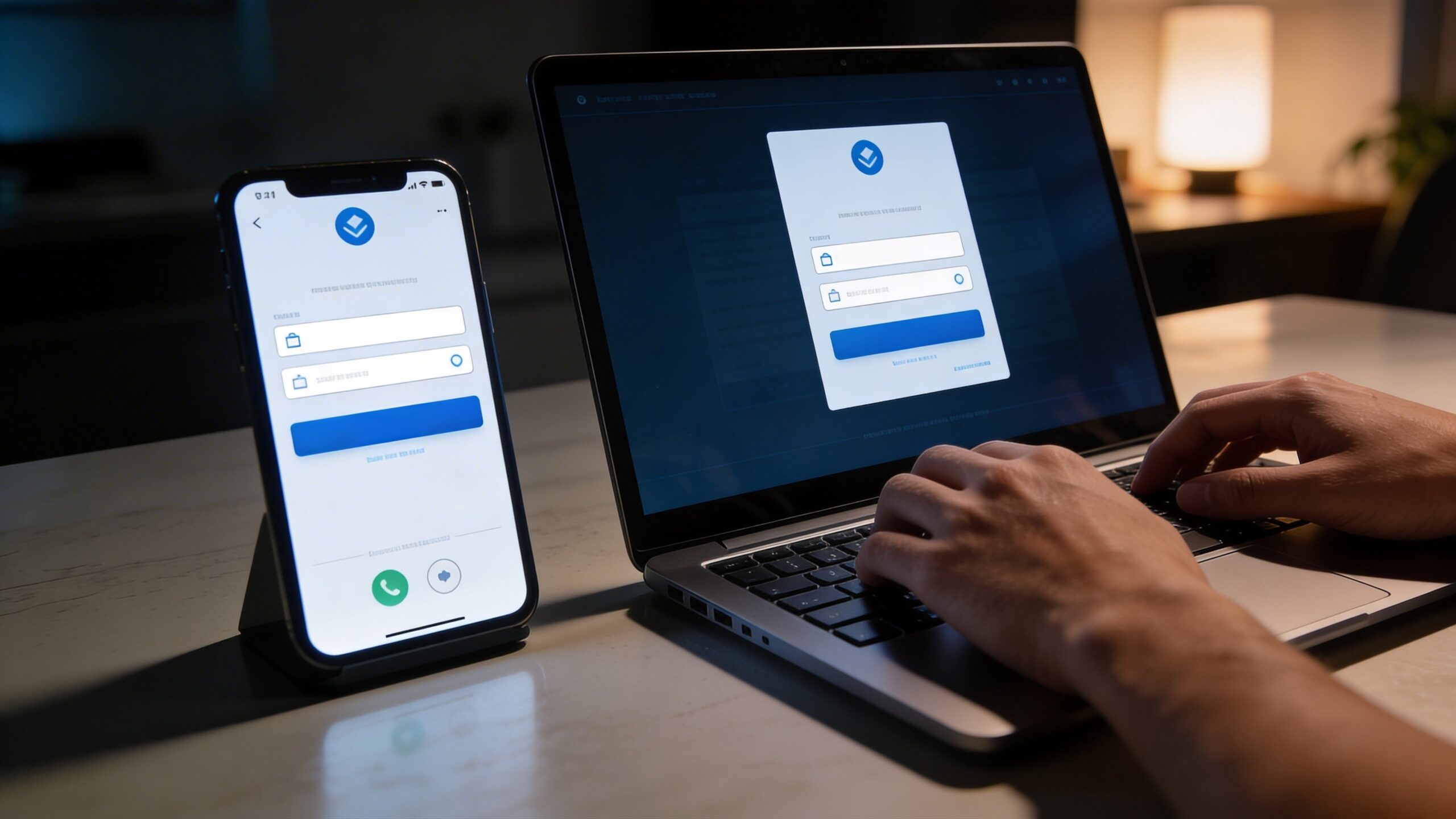
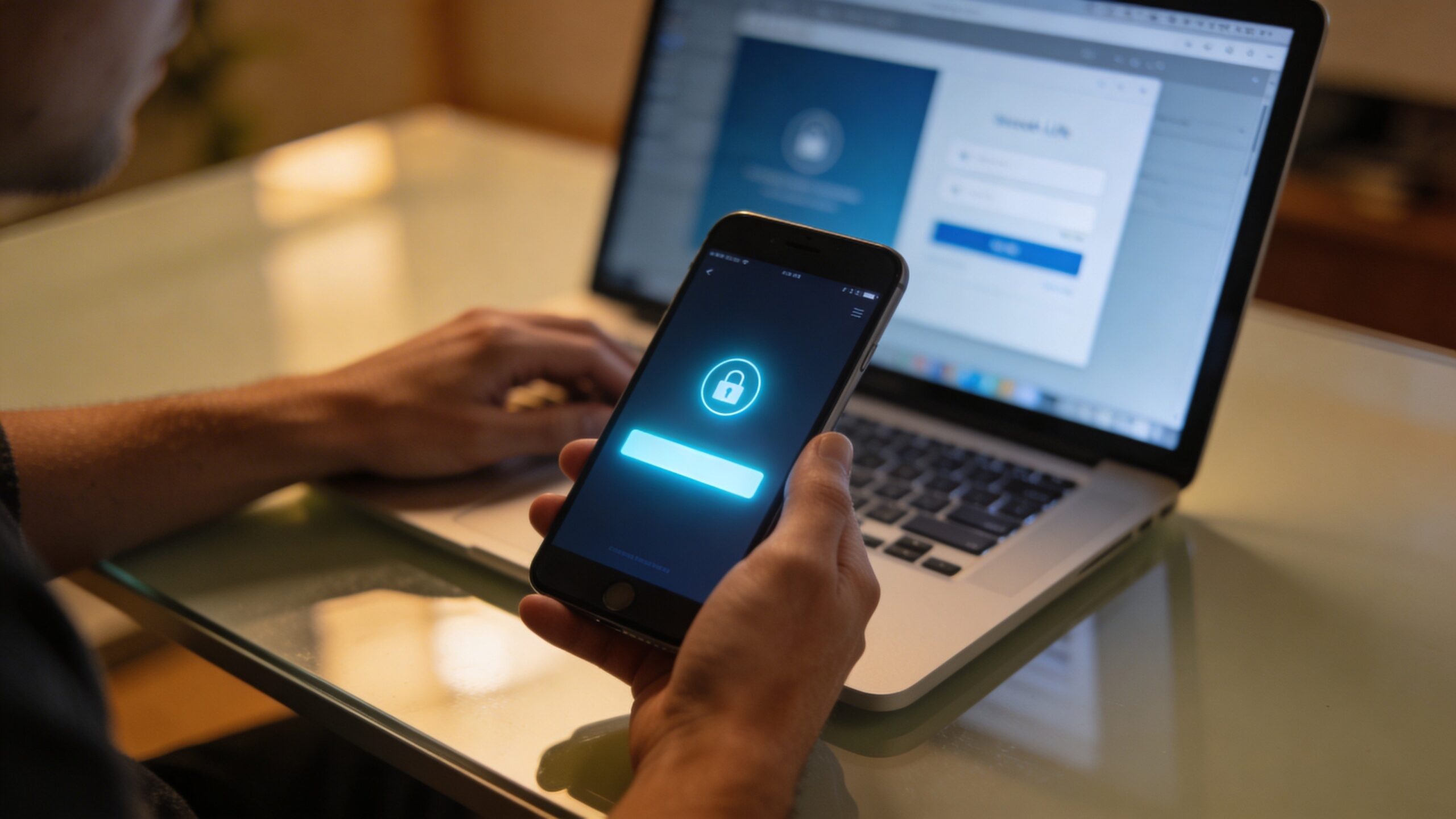
For many people, MFA first appears as a text message with a code, a prompt on a phone, or a six-digit code generated inside an authenticator app. After entering a password, the service pauses and asks for the second factor. That moment is where the added security lives. The system is checking whether the user also controls a trusted device or identity signal connected to the account.
This process usually takes only a few seconds, but those few seconds can stop a major problem. If someone in another city, country, or network tries to log in with your stolen password, they still need access to your phone, app, key, or biometric factor. Without it, the login attempt fails. That is why MFA is so effective. It creates a second checkpoint that attackers often cannot cross, especially if the second factor is set up well.
The Different Types of MFA Methods
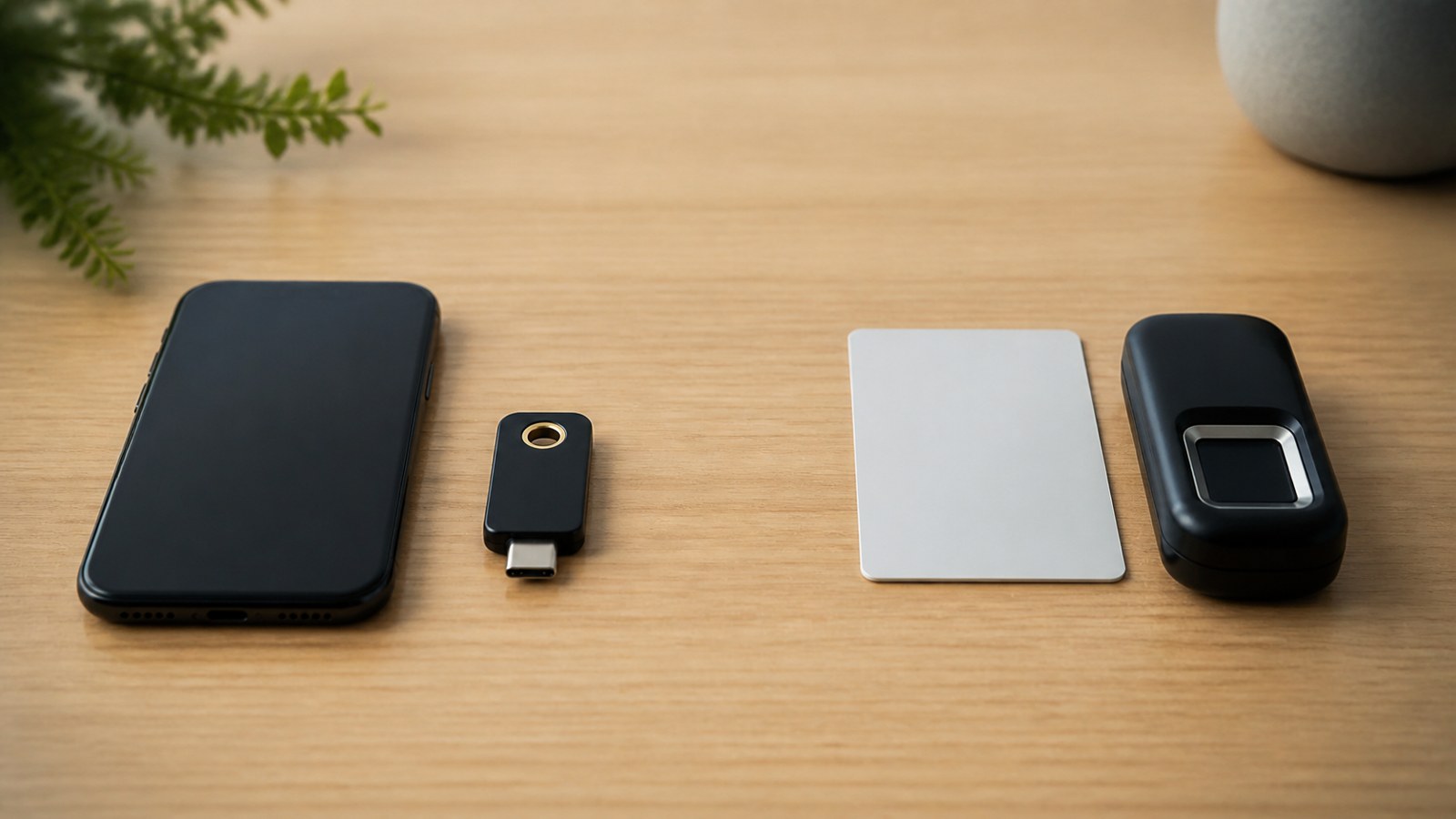
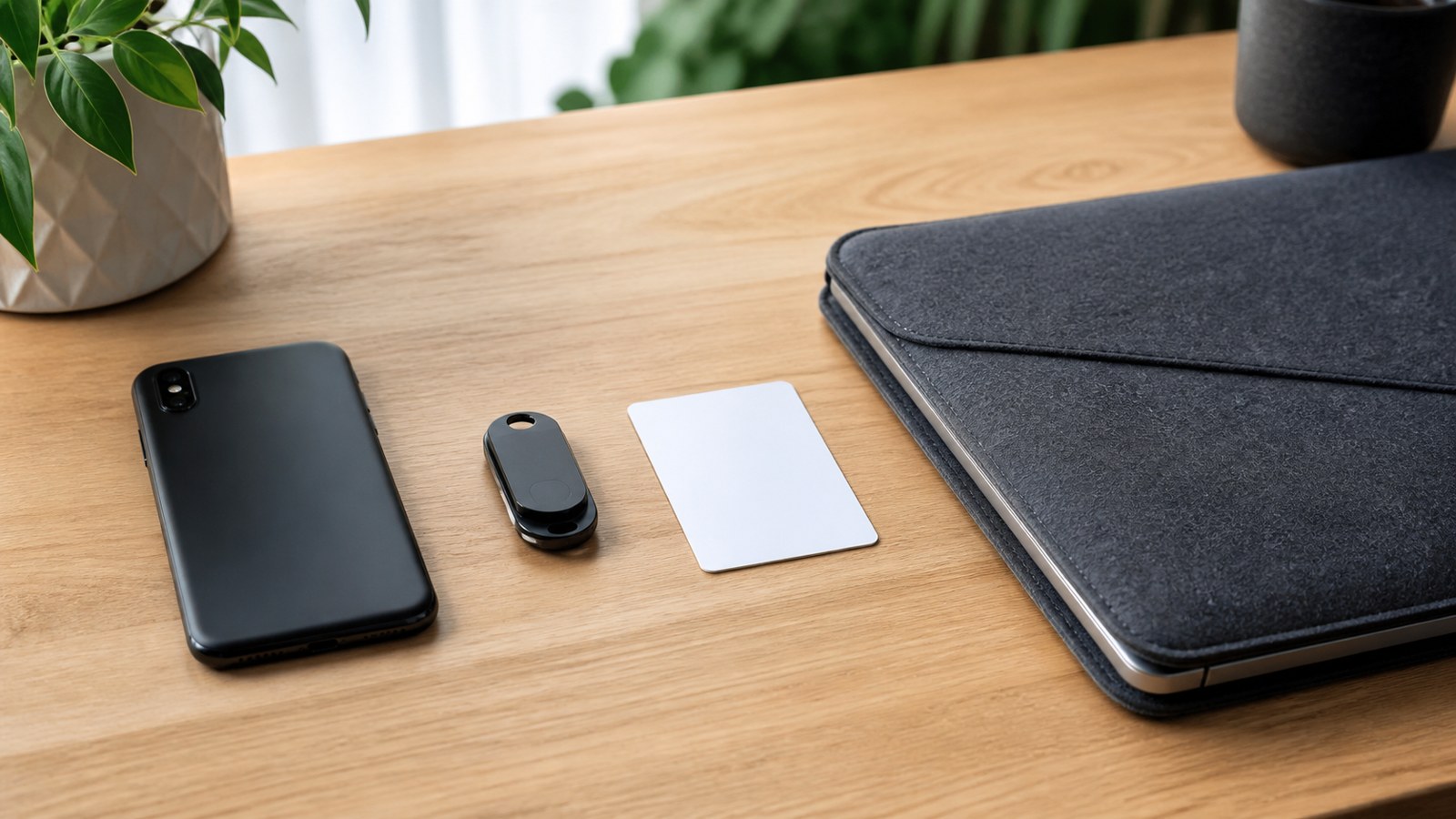
Not all MFA methods offer the same level of protection. The most familiar option is SMS verification, where a code is sent by text message. It is common and easy to understand, which makes it a popular entry point. However, it is not the strongest option because phone numbers can sometimes be targeted through SIM-swapping attacks or social engineering. Authenticator apps are widely considered a stronger choice for most users. These apps generate rotating one-time codes on the device itself, which makes them less dependent on the phone network. Push notifications are another common method. Instead of typing a code, you receive a login prompt and approve or deny the request. This is convenient, though users need to stay alert and never approve prompts they did not initiate. Hardware security keys offer one of the strongest forms of MFA because they require a physical device to complete the login. Biometric verification, such as fingerprint or facial recognition, can also strengthen access, especially when used on trusted devices. The best method is usually the one that combines strong protection with a setup you will actually use consistently.
Why You Need MFA Today, Not Someday
Cybersecurity advice often sounds abstract until an account gets hacked. Then it becomes personal very quickly. A compromised email account can be used to reset passwords elsewhere. A stolen social media account can damage reputation or be used in scams. A breached banking or payment account can create financial stress. A cloud storage account can expose private documents, photos, and sensitive records. MFA is not about fear for its own sake. It is about recognizing how much of modern life sits behind login screens.
The urgency is real because attackers do not only target executives or celebrities. Automated attacks hit ordinary users every day. Criminals often do not care who you are. They care whether your credentials work. If they do, they may try them across email, retail, banking, and subscription accounts. MFA makes that process dramatically harder. It is one of the rare cybersecurity steps that is both practical and high impact. You do not need to become an expert to benefit from it. You just need to turn it on and use it wisely.
The Accounts You Should Protect First
If you are new to MFA, it helps to think in terms of priority rather than perfection. Start with your email accounts, because email is often the master key to every other service. If someone controls your email, they may be able to reset passwords on countless connected accounts. After email, focus on banking, payment apps, investment tools, tax portals, and any account that holds financial information. Next, move to cloud storage, password managers, work platforms, social media, shopping accounts, mobile carrier accounts, and anything tied to identity verification. Even entertainment or gaming accounts can matter more than people think, especially if they contain payment methods or years of personal history. Once your most critical accounts are covered, you can expand MFA across the rest of your digital world. The point is not just to protect the obvious valuables, but to reduce the weak spots that attackers love to exploit.
MFA Is Strong, but It Is Not Magic
One of the most important truths about MFA is that it greatly improves security without making you invincible. Poorly implemented or carelessly used MFA can still be undermined. For example, a user might approve a fraudulent push request without thinking. A fake website might steal both the password and the one-time code if the victim enters everything into a phishing page. Weak recovery settings can also create backdoors that attackers exploit.
That does not make MFA ineffective. It means MFA works best as part of a broader security mindset. Strong, unique passwords still matter. Password managers still matter. Software updates still matter. Safe browsing habits still matter. Think of MFA as one of the strongest locks on your digital doors, but not the only lock in the house. When used alongside other good habits, it becomes a major obstacle for attackers.
Common Misunderstandings About MFA
Many people delay MFA because they assume it is too technical, too annoying, or only necessary for certain professions. In reality, modern MFA is often straightforward to set up and easy to use once it becomes part of your routine. Another common misunderstanding is that a phone number alone equals full security. SMS can help, but stronger methods such as authenticator apps or security keys are often better. Some users also believe that if they have never been hacked before, they do not need MFA. That reasoning overlooks how attacks actually happen. Many account breaches are automated, random, and opportunistic. You are not always specifically chosen. Sometimes your reused password appears in a leaked database, and a script does the rest. MFA exists precisely because ordinary users are targeted by scalable systems that test stolen credentials across countless services. It is not a niche feature. It is a modern necessity.
The Convenience Question
People sometimes worry that MFA will make every login feel slow and frustrating. In practice, the inconvenience is usually minor compared with the security gain. Many services allow you to trust frequently used devices, which means you may not need to complete the second step every single time. On new devices or unusual logins, the system asks for additional proof. That is exactly when the extra check matters most.
There is also a shift in perspective that helps. MFA is not just one more step. It is one more barrier between your life and a criminal. A few seconds of verification is a very small trade for protecting access to your money, identity, communications, and personal history. Once people use MFA regularly, it often stops feeling burdensome and starts feeling normal, which is where strong security habits become sustainable.
How MFA Supports Personal Confidence Online
Security is not only about blocking attacks. It is also about reducing uncertainty. When MFA is enabled across your important accounts, you gain more confidence in the systems you rely on every day. You know that a leaked password is less likely to become a disaster. You know that suspicious login attempts are more likely to fail. You know that your most valuable accounts have an additional shield. That confidence changes how people use the internet. They can shop, work, communicate, store documents, and manage finances with greater peace of mind. MFA does not eliminate all risk, but it meaningfully lowers the odds of a straightforward account takeover. For everyday users, that is one of the most valuable upgrades available. It is simple, scalable, and powerful.
The Growing Future of Authentication
The future of digital access is moving toward smarter, stronger systems. Passkeys, advanced biometrics, device-based trust, and passwordless login experiences are all gaining traction. But even as these methods evolve, they are built around the same core principle that made MFA so important in the first place: one proof of identity is not enough for a high-risk digital world.
That means the habits you build around MFA today are not temporary. They are part of a long-term shift in how secure access works. Users who understand layered authentication now will be better prepared for the next generation of login systems. In that sense, MFA is not just a security feature. It is a bridge into the future of personal cybersecurity.
Final Thoughts
Multi-factor authentication is one of the clearest, smartest, and most practical answers to the modern password problem. It strengthens your defenses by requiring more than one form of proof, making it much harder for attackers to turn stolen credentials into real access. In a time when so much of life is managed through online accounts, that extra protection is no longer optional for anyone serious about personal cyber safety. You need MFA today because today is when your accounts are exposed to phishing, breaches, credential leaks, and automated attacks. Not tomorrow, not someday, and not only after something goes wrong. The strongest time to secure an account is before it is targeted successfully. MFA helps you do exactly that. It is one of the simplest upgrades with one of the biggest payoffs, and for millions of people, it can mean the difference between a blocked attack and a very bad day.